
Newborns often cannot express discomfort or symptoms the way older children can, which makes early diagnosis of health concerns especially important. One of the most valuable tools for evaluating a newborn’s heart is echocardiography. This painless and non-invasive test helps doctors understand how a baby’s heart is formed and how well it is functioning in the earliest stages of life.
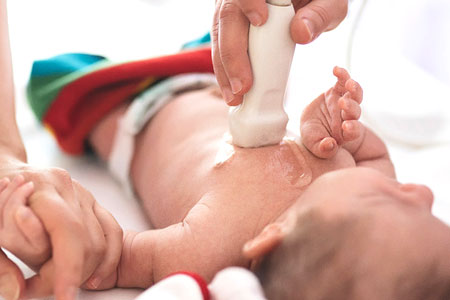
Echocardiography, commonly called an “echo,” uses ultrasound waves to create detailed pictures of the heart. It allows us to assess the heart’s structure, blood flow, and pumping function. For newborns—especially premature babies, those in the NICU, or babies showing signs of distress—this test is extremely helpful in identifying issues early and guiding timely treatment.
Your baby’s doctor may recommend an echocardiogram if your newborn shows any signs of cardiac concern such as:
Identifying heart issues early helps prevent complications and guides proper treatment during a critical period of development.
A newborn echocardiogram can provide valuable insights, including:
These findings help doctors decide whether a newborn needs medication, monitoring, or further specialized care.
Yes. Echocardiography is completely safe for newborns. It does not use radiation or cause discomfort. Most babies remain calm during the procedure, and parents can be present to help keep the baby at ease. The test typically takes 20–40 minutes, depending on the newborn’s condition and the level of detail required.
Our focus is on gentle, accurate, and timely diagnosis. Every newborn is handled with utmost care, ensuring they feel secure and comfortable throughout the process. We explain each step to parents and provide clear guidance on the next steps, whether the results are normal or if further treatment is needed.
Early diagnosis gives newborns the best chance at healthy growth and development—and offers parents the confidence and clarity they need during this delicate time.